

Dental Implants
Details about our services
What Are Dental Implants: Everything You Need to Know
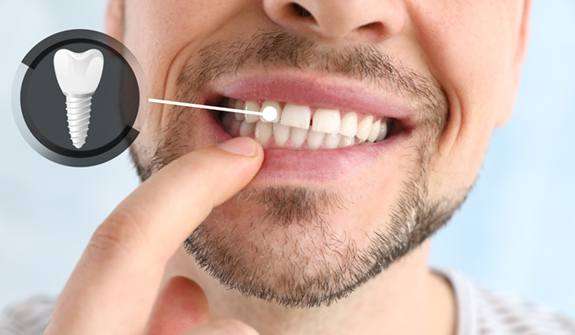
Dental implants are commonly used now as the best method to solve the issue of teeth loss. They are made to offer a base for new teeth that are just like your natural ones in appearance, feel, and function. The person who has lost teeth regains the ability to eat virtually anything, knowing that teeth look natural and that facial contours will be preserved. Implants are metal posts made from titanium that are surgically put into the jawbone where the teeth are missing. These metal anchors serve as replacements for tooth roots. The bone combines with the titanium, hence setting up a robust foundation for artificial teeth. Small posts are mounted on the implant, which extends over the gums. These posts are durable points of reference for the artificial teeth that replace.
Benefits of Dental Implants
Improved Oral Health:
Dental implants don't need to make other teeth smaller, just like a conventional tooth supported bridge does. Since the teeth close by don't have to be turned to support the implant, your own teeth get to remain intact much longer, hence better oral health in the long run. Dental implants are also safer cover tooth gaps as well as creating a better toothbrush action
Durability:
Implants can last for many years and are very solid. With proper care, most of the implants last longer than a human's life
Convenience:
The good thing about them is that the dentures are not permanent and can therefore be removed. Dental implants eliminate the embarrassing problem of removal of dentures as well as the adhesives use of glue for them to stay in place.
Types of Dental Implants
Endosteal Implants:
These are the most common type of dental implant and are placed directly into the jawbone, acting as an artificial root to hold a replacement tooth or bridge
Subperiosteal Implants:
These implants are placed under the gum but on or above the jawbone. This type is used for patients with insufficient bone height or who cannot wear conventional dentures
Procedure
Damaged Tooth Removal:
If necessary, the damaged tooth is removed.
Jawbone Preparation (Grafting):
If the jawbone is not thick enough or is too soft, bone grafting may be required.
Dental Implant Placement:
The dental implant, made of titanium, is placed into the bone socket of the missing tooth.
Bone Growth and Healing:
The jawbone grows around the implanted metal post, anchoring it securely in the jaw.
Abutment Placement:
Once the implant has bonded to the jawbone, a small connector post called an abutment is attached to the post to hold the new tooth securely.
Artificial Tooth Placement:
After the abutment is placed, a crown - a replacement tooth - is attached to the abutment
Recovery and Care
Initial Healing:
The initial healing phase, where the implant integrates with the bone, can take several months. During this time, patients may be given a temporary denture for aesthetic purposes.
Long-Term Care:
Once the implants are fully integrated, patients will receive their permanent crowns. Dental implants require the same care as real teeth, including brushing, flossing, and regular dental check-ups.
Considerations
Health Requirements:
Ideal candidates for dental implants should have good general and oral health, adequate bone to support the implant, and healthy gum tissues free from periodontal disease.
Risks and Complications:
As with any surgical procedure, there are risks involved, including infection, damage to other teeth, and nerve damage. However, the success rate for dental implants is high, and failures are rare
Conclusion
Dental implants are a highly successful and versatile solution for tooth loss, providing benefits that surpass those of other tooth replacement options. With proper care and maintenance, dental implants can offer a permanent solution for restoring functionality and aesthetics to a patient's smile.