Gum Treatment
Details about our services
Understanding Gum Diseases: Gingivitis and Periodontitis
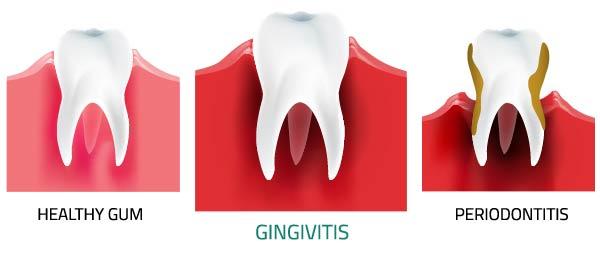
Gum diseases are common but often preventable conditions that affect the gums and the bones supporting your teeth. The two primary forms of gum disease are gingivitis and periodontitis, each varying in severity and treatment needs.
Gingivitis
Causes
Gingivitis is the earliest and mildest form of gum disease, primarily caused by the accumulation of bacterial plaque on the teeth. Plaque is a sticky film composed of bacteria, mucus, and food debris that forms on the teeth. If not removed through regular brushing and flossing, plaque can harden into tartar, which further irritates and inflames the gums.
Other contributing factors include:
Poor oral hygiene:
Inconsistent brushing and flossing.
Hormonal changes:
Such as those occurring during puberty, pregnancy, and menopause.
Certain diseases:
Including diabetes, HIV/AIDS, and cancer.
Medications:
Some drugs can reduce saliva flow, leading to dry mouth and increased risk of gingivitis.
Smoking:
Tobacco use is a significant risk factor.
Nutritional deficiencies:
Particularly vitamin C deficiency.
Genetic factors:
Family history of gum disease.
Symptoms
Common symptoms of gingivitis include:
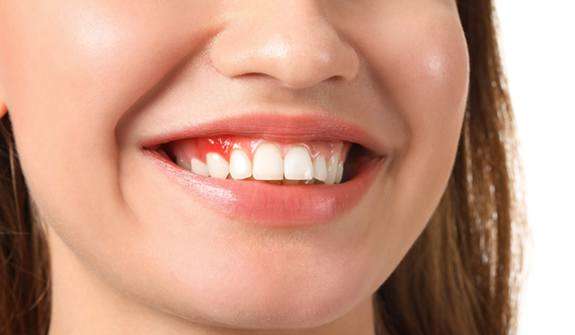
Red, swollen, or puffy gums;
Gums that bleed easily when brushing or flossing;
Tender gums;
Bad breath (halitosis);
Receding gums;
Soft gums;
Mouth sores in some cases;
Treatment
Treating gingivitis focuses on controlling the infection and restoring healthy gums. Key steps include:
Professional Dental Cleaning
Scaling and Root Planing: Removal of plaque and tartar from above and below the gum line. This deep cleaning helps reduce inflammation and allows the gums to heal.
Improved Oral Hygiene
- Brushing teeth at least twice a day with a soft-bristled toothbrush.
- Flossing daily to remove plaque between teeth.
- Using an antiseptic mouthwash to reduce bacteria.
Lifestyle Changes
- Quitting smoking and managing conditions like diabetes.
- Eating a balanced diet to ensure adequate intake of essential nutrients.
Home Remedies
- Salt Water Rinse: Helps soothe inflamed gums and reduce bacteria.
- Aloe Vera Mouthwash: Can reduce inflammation and is safe for regular use.
- Lemongrass Oil Mouthwash: Diluted lemongrass oil can be used as a natural antiseptic.
Causes
Periodontitis is a more severe form of gum disease that occurs when gingivitis is left untreated. It involves inflammation and infection that spread to the bone and tissues supporting the teeth, leading to their destruction. The primary cause is similar to gingivitis: plaque buildup. However, it progresses due to the formation of deep pockets between the teeth and gums, which harbor more bacteria and debris.
Symptoms
Symptoms of periodontitis include:
Swollen, red, or purplish gums
Bleeding gums
Gum recession
Deep pockets between teeth
Loose teeth
Pain when chewing
Persistent bad breath
Treatment
Treatment is more complex and may include:
Deep Cleaning
(Scaling and Root Planing): Removing plaque and tartar from below the gum line.
Antibiotic Therapy:
To reduce bacteria, administered orally, as a mouth rinse, or as a localized treatment in periodontal pockets.
Surgical Procedures:
- Flap Surgery/Pocket Reduction Surgery: Gums are lifted back to remove tartar and then sutured back in place to reduce pocket depth.
- Bone Grafts: Used to replace bone destroyed by periodontal disease, promoting new bone growth.
- Soft Tissue Grafts: Reinforce thin gums or cover exposed roots.
- Guided Tissue Regeneration: Encourages the regrowth of bone and gum tissue.
- Bone Surgery: Reshapes the bone to reduce craters caused by bone loss.
Prevention and Management
Preventing periodontitis involves maintaining good oral hygiene, including brushing twice a day, flossing daily, and having regular dental checkups. Using antimicrobial mouthwash and avoiding tobacco can also help reduce the risk. Once periodontitis is present, it is not curable but can be managed with ongoing professional care and diligent home oral hygiene.
Conclusion
Gum diseases, including gingivitis and periodontitis, are serious conditions that require prompt and effective treatment to prevent tooth loss and other health complications. Regular dental care and good oral hygiene are crucial in managing and preventing these diseases. If you experience any symptoms of gum disease, it's important to seek professional dental care immediately. Early intervention can make a significant difference in your oral health and overall well-being.