

Root Canal Treatment
Details about our services
Understanding Root Canal Treatment
Root canal treatment, also known as endodontic therapy, is a dental procedure designed to remove infected or inflamed pulp from inside a tooth. This treatment helps eliminate bacteria, prevent reinfection, and save the natural tooth. Below is a comprehensive overview based on the provided sources.
What is a Root Canal?
A root canal is the part of the tooth that contains the nerve tissue, blood vessels, and other cells, collectively known as the pulp. The procedure commonly referred to as a "root canal" is actually endodontic therapy, which involves treating the inside of the tooth to remove infection and protect it from future issues.
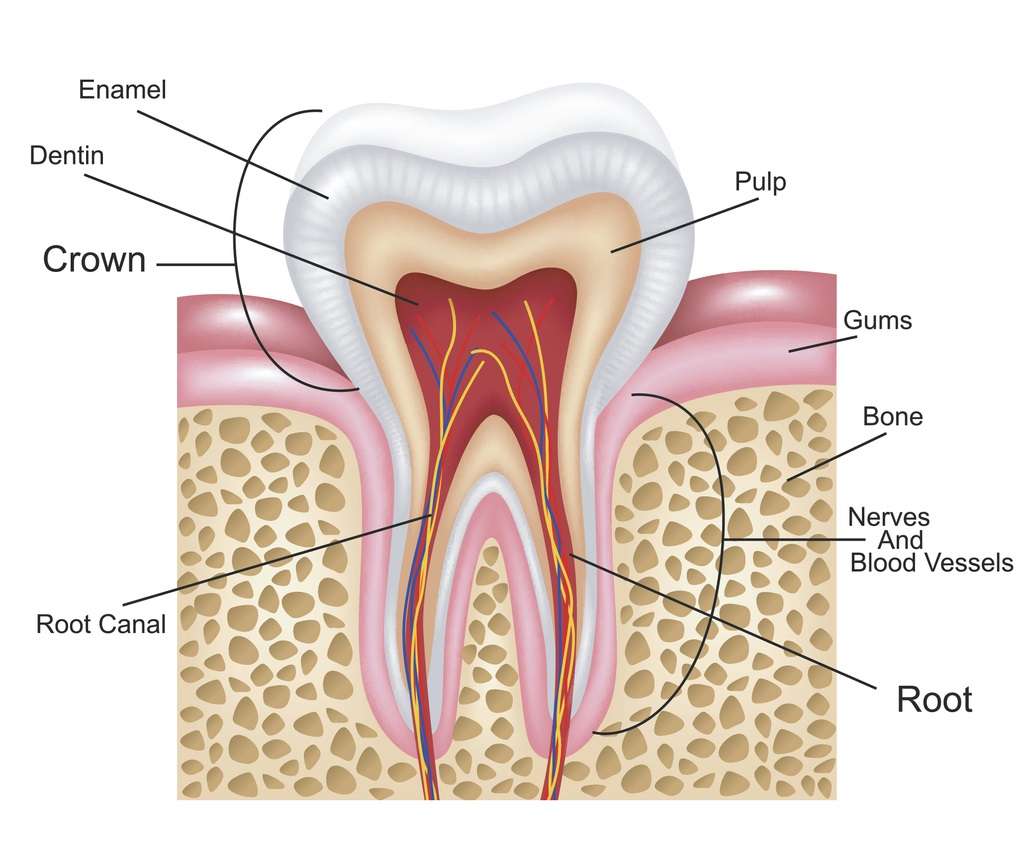
Why is Root Canal Treatment Needed?
Root canal treatment is necessary when the pulp becomes inflamed or infected due to:
Deep decay
Repeated dental procedures on the tooth
A crack or chip in the tooth
Symptoms indicating the need for a root canal include:
Severe pain while chewing or applying pressure
Pimples on the gums
Swollen or tender gums
Deep decay or darkening of the gums
Procedure Steps
- Cleaning the Root Canal: Under local anesthesia, the dentist removes everything inside the root canal, including the diseased and dead pulp tissue.
- Filling the Root Canal: The hollow area is cleaned, shaped, and decontaminated using tiny files and irrigation solutions. It is then filled with a rubber-like material called gutta-percha and sealed with adhesive cement.
- Restoring the Tooth: The tooth is restored with a crown or filling to protect it and ensure it functions like any other tooth.
Benefits of Root Canal Treatment
Pain Relief:
The procedure is designed to relieve pain caused by the infection.
Preservation of Natural Tooth:
Saving the natural tooth helps maintain efficient chewing, normal biting force, and a natural appearance.
Cost-Effective:
It is generally less costly than extracting the tooth and replacing it with an implant or bridge.
Recovery and Aftercare
Recovery from a root canal typically takes less than a week. Patients may experience mild discomfort or sensitivity, which can be managed with over-the-counter pain relievers. It is crucial to follow the dentist's aftercare instructions, which may include:
- Avoiding hard or chewy foods
- Maintaining good oral hygiene
Preventive Measures
To avoid needing a root canal, it is essential to practice good oral hygiene, including:
- Brushing and flossing regularly
- Using fluoride toothpaste
- Attending regular dental checkups
Summary
Root canal treatment is a common and effective procedure to treat infected or inflamed tooth pulp, relieve pain, and save the natural tooth. With proper care, teeth that have undergone root canal treatment can last a lifetime.