

Why Straightening Teeth Matters for Teens and Adults – It’s About Health, Not Just Looks
Straightening teeth during the teenage years is essential not only for improving appearance but also for preventing dental problems, supporting proper jaw growth, enhancing oral function, and boosting self-esteem, with timely orthodontic treatments like braces, clear aligners, and specialized appliances offering effective solutions for healthier smiles and long-term well-being.
Early treatment for bite problems isn’t just about looks – it’s about health. By correcting these issues during the teenage years, we can help prevent future dental problems and support proper jaw growth for a healthier smile.
Why do teens need to fix their occlusion? Early orthodontic care can:
- Prevent more severe dental issues.
- Improve chewing, speaking, and overall oral function.
- Enhance self-esteem and social interactions.
Adolescent orthodontic care ensures that malocclusion, misalignment of teeth or jaws, is corrected at a time when the jaw is still growing. This enhances the effectiveness of treatments and reduces the need for more invasive procedures later in life. Investing in timely teeth occlusion treatment can have long-lasting positive impacts on your teenager’s dental health and quality of life.
Understanding Occlusion and Malocclusion
Dental occlusion refers to the alignment and contact between the teeth when the jaws are closed. An ideal occlusion happens when the upper and lower teeth fit together perfectly, ensuring efficient chewing and a healthy bite.
Malocclusion, on the other hand, describes any misalignment of the teeth or incorrect relation between the dental arches. It can be classified into different types based on its characteristics:

Overbite: Your top front teeth sit much further forward than your bottom teeth, almost like they’re “covering” them. (Deepbite)
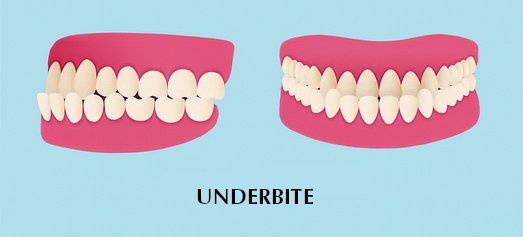
Underbite: Your bottom teeth stick out in front of your top teeth, giving your smile a reversed look.
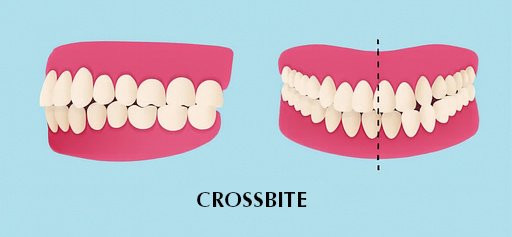
Crossbite: Some of your top teeth bite down inside your bottom teeth instead of outside where they should be.

Open bite: When you close your mouth, there’s a gap between your top and bottom front teeth so they don’t touch.
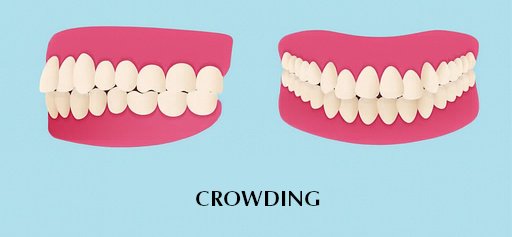
Crowding: Your teeth are too close together because there’s not enough space, so they overlap or look crooked.

Spacing: There are extra gaps between your teeth, which can happen if teeth are missing or are smaller than usual.
These types of malocclusion can impact teenagers’ oral health and overall well-being significantly. Misaligned teeth can lead to:
- Difficulty in chewing and biting food properly.
- Increased risk of tooth decay and gum disease due to difficulty in cleaning crowded or misaligned areas.
- Speech impediments, such as lisping or difficulty pronouncing certain words.
- Strain on jaw muscles, leading to headaches and temporomandibular joint (TMJ) disorders.
Adolescent jaw growth plays a crucial role in orthodontic treatment planning. During teenage years, rapid growth can either exacerbate existing malocclusions or provide an optimal window for correction. Orthodontists often leverage this growth period to guide jaw development and enhance treatment outcomes effectively.
Invisalign occlusion treatments are popular among teens due to their aesthetic appeal. These clear aligners apply gentle pressure to shift teeth into proper alignment over time. They are custom-made using advanced 3D imaging technology, making them a suitable choice for addressing mild to moderate malocclusions during this critical developmental stage.
Understanding these aspects underscores why timely intervention is essential for preventing long-term issues associated with malocclusion.
The Impact of Untreated Malocclusion on Teenagers
Untreated malocclusion presents several risks during the teenage years, impacting both physical health and quality of life.
Potential Risks:
- Dental Problems: Misaligned teeth can lead to difficulties in maintaining oral hygiene. This increases the risk of cavities, gum disease, and tooth decay.
- Speech Difficulties: Malocclusion can interfere with proper pronunciation and clarity of speech. Teens may struggle with certain sounds, leading to communication challenges.
- Chewing Issues: Improper alignment affects the ability to chew efficiently. This might cause digestive problems due to inadequate food breakdown.
- Jaw Pain and Headaches: Misalignment can strain jaw muscles and joints, resulting in chronic pain or temporomandibular joint (TMJ) disorders.
Positive Effects of Orthodontic Treatment:
Orthodontic treatment offers numerous benefits that extend beyond just physical health.
- Enhanced Self-Esteem: Correcting malocclusion improves the appearance of a teen’s smile, significantly boosting their confidence and self-worth.
- Better Social Interactions: A confident smile encourages positive social interactions. Teens are more likely to engage in social activities without feeling self-conscious about their teeth.
- Improved Oral Health: Straightened teeth are easier to clean, reducing the risk of dental problems. Routine brushing and flossing become more effective.
- Optimal Functionality: Proper alignment ensures efficient chewing and speaking, improving overall functionality.
Addressing malocclusion early helps prevent these issues, ensuring teenagers develop healthy habits and enjoy a higher quality of life.

Orthodontic Treatment Options for Teenagers
Teenagers have several effective options for correcting occlusion problems, each tailored to their unique dental needs and lifestyle. Understanding these choices helps families make informed decisions about why teens need to fix their occlusion early.
1. Traditional Braces
Traditional metal braces remain a popular choice for adolescents with moderate to severe malocclusion. These consist of metal brackets and wires that are adjusted periodically by an orthodontist to shift teeth into their proper positions.
Strengths:
- Highly effective for complex alignment, bite issues, and significant rotations.
- Suitable for nearly all types of malocclusion.
Considerations:
- Visible on teeth, which some teens may find embarrassing.
- Require careful cleaning and dietary adjustments due to brackets and wires.
2. Clear Aligners
Clear aligners, such as Invisalign and SPARK Aligners, offer a discreet alternative for teens seeking less noticeable treatment.
Features:
- Custom-made, removable trays that gradually move teeth.
- Nearly invisible when worn, appealing for self-conscious adolescents.
- Removable for eating, brushing, and flossing, helping maintain oral hygiene.
Ideal Cases:
Mild to moderate crowding, spacing, or bite issues.
SPARK Aligners use TruGEN™ material, providing greater comfort and clarity than many other brands.
3. Specialized Appliances
For certain bite problems or jaw discrepancies, orthodontists may recommend specialized appliances. Examples include:
- Palatal Expanders: Widen the upper jaw in growing teens with crossbites or crowding.
- Herbst Appliance: Guides jaw growth for underbites or severe overbites.
- Space Maintainers: Hold space open if baby teeth are lost prematurely.
These tools address structural problems that braces or aligners alone cannot fix during the critical years of jaw development.
Addressing occlusion issues during adolescence promotes healthy tooth function, prevents future dental complications, and often leads to shorter treatment times compared to waiting until adulthood.
SPARK Aligners: A Game-Changer in Adolescent Orthodontics
SPARK Aligners have emerged as a standout choice for teenagers facing malocclusion. These clear, removable orthodontic devices differ from traditional braces by using advanced 3D imaging to create custom-fit aligners tailored specifically to each individual’s dental structure.
Key benefits of SPARK Aligners include:
- Discretion: Nearly invisible when worn, SPARK Aligners allow teens to straighten their teeth without drawing attention.
- Removability: Teens can take them out while eating, brushing, or flossing, reducing the risk of trapped food and encouraging better oral hygiene.
- Comfort: The absence of metal wires and brackets means less irritation and fewer emergency visits for broken components.
At the core of these advantages is TruGEN™ material, a proprietary technology exclusive to SPARK Aligners. TruGEN™ provides several unique benefits:
- Enhanced comfort: Its smooth design reduces gum and cheek irritation, which helps teens stay consistent with wear.
- High clarity: The aligners remain nearly invisible and resist staining, even after weeks of use.
- Efficient tooth movement: TruGEN™ retains force more effectively than many leading competitor materials. This often translates into faster treatment times and noticeable progress within just a few months.
By combining cutting-edge materials with user-friendly features, SPARK Aligners offer teenagers a modern solution that fits both their lifestyle and orthodontic needs. In fact, when comparing SPARK Aligners vs Traditional Braces, it’s clear that the former offers numerous advantages that make it a preferred choice among adolescents seeking orthodontic treatment.
Why Waiting for Occlusion Treatment Can Be Detrimental for Teens
Timely intervention is crucial when it comes to addressing occlusion problems in adolescents. During the teenage years, the jaw and teeth are still developing, making it an optimal time for orthodontic treatment. Delaying treatment can lead to a range of long-term consequences that might be more challenging to correct in adulthood.
Potential long-term consequences of untreated malocclusion:
- Dental Problems: Misaligned teeth can cause excessive wear on tooth enamel, leading to cavities and other dental issues.
- Gum Disease: Crooked or crowded teeth are harder to clean properly, increasing the risk of gum disease.
- Speech Difficulties: Malocclusion can affect speech patterns, causing difficulties with pronunciation and communication.
- Chewing Problems: Improper alignment can make it difficult to chew food effectively, impacting digestion and nutrition.
- Jaw Pain: Misalignment can lead to temporomandibular joint (TMJ) disorders, resulting in chronic jaw pain and headaches.
Addressing occlusion issues early not only prevents these complications but also enhances a teenager’s self-esteem and social interactions by improving their smile and overall oral health.
Conclusion
Addressing occlusion issues early delivers lifelong benefits for teenagers. Early age orthodontics plays a critical role in supporting proper jaw development, improved bite function, and long-term oral health improvement. Ignoring malocclusion can limit not only a teen’s comfort and confidence but also affect their ability to eat, speak, and smile freely.
The reasons why teens need to fix their occlusion are clear: prompt treatment protects dental health, prevents complications, and improves quality of life, both now and as they grow older.
Parents have the opportunity to give their children a healthier future by acting promptly. Schedule an orthodontic evaluation with a trusted professional who understands adolescent needs. Timely intervention means less invasive treatments, shorter timelines, and better results. Prioritizing your teenager’s orthodontic care today sets the foundation for stronger self-esteem, healthier habits, and lasting smiles.


